
Bankstown, SydneyCall 1300 656 236
Sydney Hair TransplantDr Daood
Plan Your Procedure

Hair Transplant Recovery

A week-by-week guide to what commonly happens after an FUE hair transplant, from the first days of aftercare through to gradual regrowth.
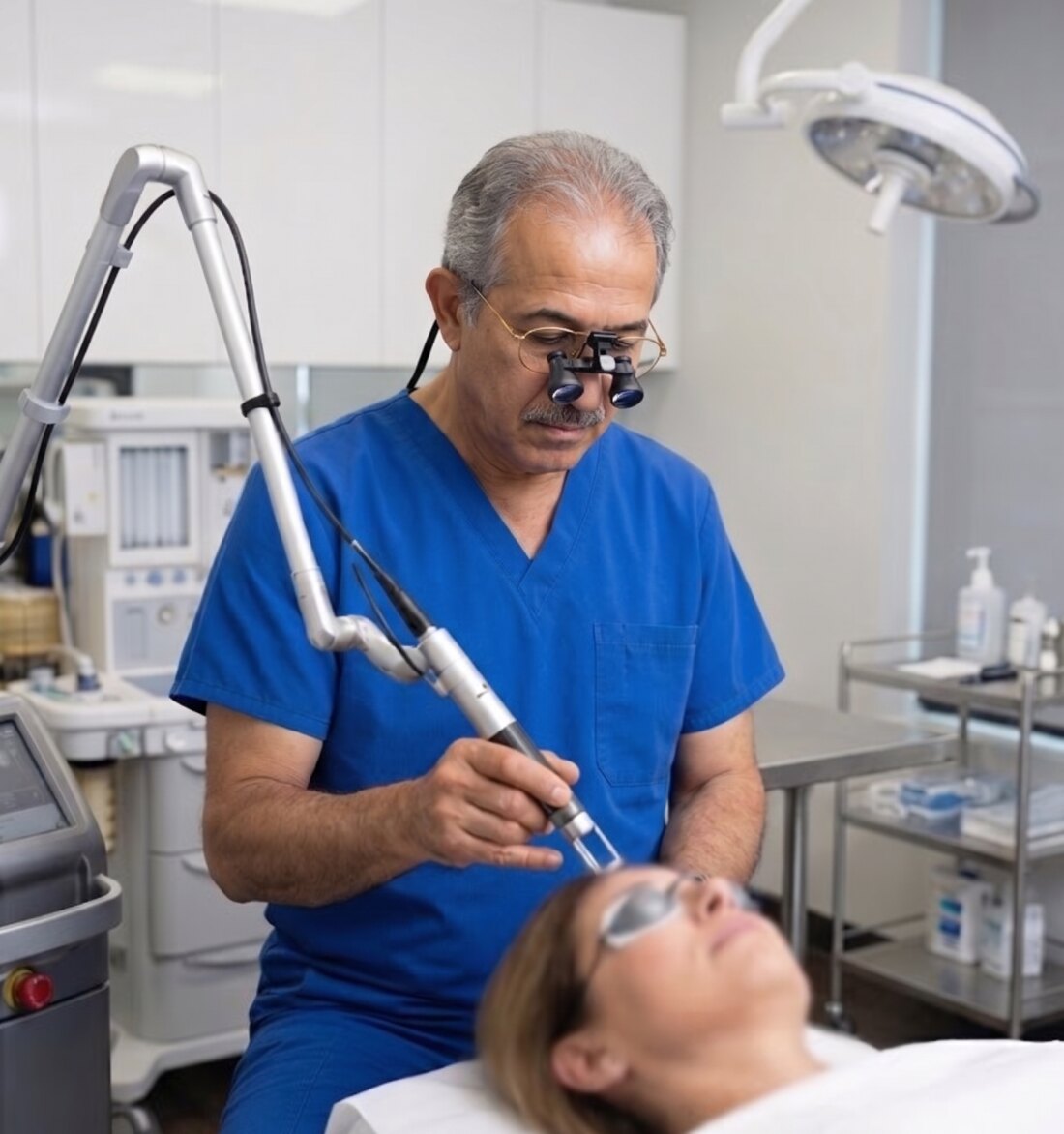
Dr Jassim Daood performing a procedure at the Bankstown clinic
About the procedure

What this procedure involves

Recovery after an FUE hair transplant follows a fairly predictable arc: a short, careful first week protecting the grafts, a shedding phase in the first two months that surprises many people, and then gradual regrowth over the following year. This page describes the common experience; your own aftercare instructions from Dr Daood always take precedence.

Recovery

A short, protective first week; shedding of transplanted hairs through weeks two to eight; then gradual regrowth from around month three, building over the rest of the year. Individual experiences vary, and your written aftercare instructions take precedence over any general guide.

In depth

More about this procedure

Detailed information about this procedure. Select a section to read more.

In the first days after an FUE procedure the recipient area is fragile. Small scabs form around each graft, and the scalp may be red, tender or swollen. You will be given specific instructions on sleeping position, gentle washing and what to avoid, and following them closely is the single most useful thing you can do for your result.

Most people take a few days away from work, though this varies with the size of the session and the kind of work you do. Strenuous exercise, swimming and anything that causes heavy sweating are paused during this period.

Grafts are least secure in the first 48 hours, and rubbing them against a pillow is the most common way they are disturbed. Sleeping semi-upright, propped on pillows or in a recliner, protects them and limits swelling. Swelling often appears on the forehead rather than the scalp and can move down towards the eyes over a day or two; it looks alarming but generally settles with elevation.

Each graft develops a small scab that should be left to come away on its own during gentle washing, never picked off, as removing a scab prematurely can take the graft with it. Washing resumes on the schedule set in your written instructions, by hand and without direct shower pressure, so the crusts soften and release naturally, usually by the end of the first week to ten days.

From around the second week, most of the transplanted hairs shed. This can be disheartening if you are not expecting it, but it is a normal part of the follicle cycle: the follicle remains in place beneath the skin while the hair shaft it arrived with is released.

By this stage the scabs have usually cleared and the donor area is settling. Some people notice mild folliculitis (pimple-like inflammation) as new hairs begin to emerge; your aftercare instructions cover when this warrants a review.

New hairs typically begin to appear from around the third or fourth month, often fine and light at first, then gradually thicker. Density continues to build through the remainder of the year, and the texture of the new growth usually settles over time.

Progress differs between individuals and between areas of the scalp, so comparing your month-by-month progress with anyone else is rarely useful. Review appointments track how your growth is developing.

Mild redness, itching, shedding and pimple-like spots are common parts of recovery. Increasing pain, spreading redness, fever or discharge are not, and should be reviewed promptly.

The clinic provides contact details for post-procedure questions, and you can always contact your GP or, for urgent concerns, emergency services.

Common questions

Frequently asked questions

For many people the recipient area looks unremarkable once redness and scabbing settle, often within a couple of weeks, though this varies. Hats or longer surrounding hair can help in the meantime, subject to your aftercare instructions.

Yes. Most transplanted hairs shed in the first weeks while the follicles remain in place. New growth typically begins from around the third month.

Each of these is paused for a period after the procedure. The specific timings depend on your individual case and are set out in your written aftercare instructions.

Increasing pain, spreading redness, fever, discharge, or anything that worries you. Post-procedure contact details are provided, and urgent concerns should go to your GP or emergency services.