
Traction Alopecia: When Man Buns and Tight Styles Cause Hair Loss
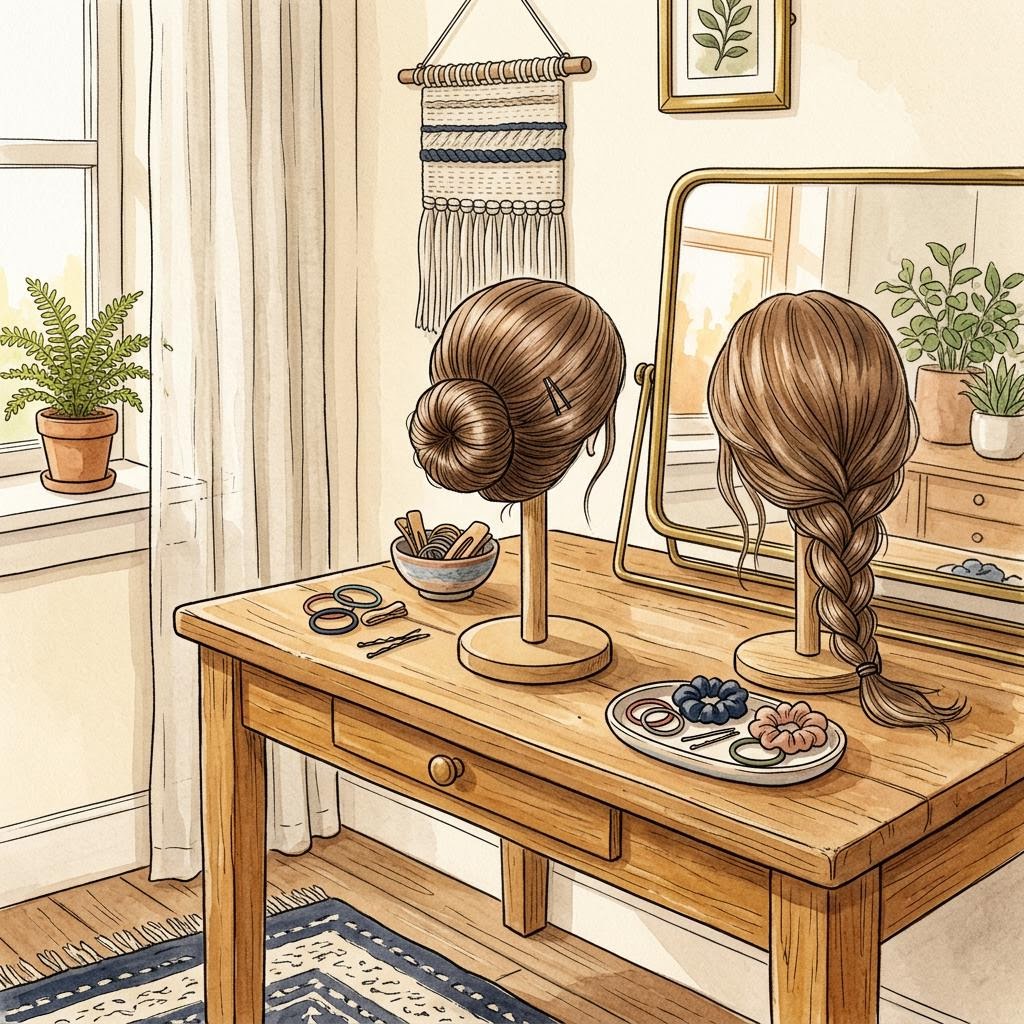
Traction alopecia is hair loss caused by sustained mechanical pull on the follicle. Unlike pattern hair loss, it has nothing to do with hormones or genetics. It is caused by how the hair is worn.
That makes it one of the few forms of hair loss that is largely preventable, and, caught early enough, reversible. Left long enough, it is not.
How it happens
A follicle sits in the skin held by surrounding tissue. Pull on the hair shaft transmits force to the follicle.
Brief tension does nothing. Sustained tension, applied daily over months and years, causes low-grade inflammation around the follicle. Prolonged inflammation eventually leads to fibrosis, meaning scar tissue replaces the follicle. Once that has happened the follicle is gone and no longer capable of producing hair.
The sequence is gradual. It typically starts with slightly thinner hair at the points of greatest tension, progresses to visible thinning, and ends with a smooth area where the follicles have been destroyed.
Which styles are implicated
Anything that holds hair under sustained tension, particularly at the hairline and temples where the pull is greatest and the hair is finest.
- Tight ponytails, worn high
- Man buns and top knots
- Tight braids, particularly close to the scalp
- Cornrows
- Dreadlocks, especially while they are being established
- Weaves and extensions, where the weight is borne by existing hair
- Tight headwear worn for long periods, including some helmets and caps
- Hair repeatedly pulled back for work or sport
The trend towards longer hair tied back in men has made this considerably more common in a demographic that previously did not present with it.
Chemical processing compounds the risk. Hair that has been relaxed or chemically treated is structurally weaker, and the follicle is less tolerant of tension.
Early signs
The pattern of loss is the clue, because it follows the tension rather than a genetic pattern.
- Thinning at the temples and along the frontal hairline
- Loss following the line of a part, braid or where a band sits
- A band of thinner hair where a ponytail is habitually secured
- Short broken hairs at the margin of the thinning area
- Tenderness or soreness after styling
- Small bumps or pustules around follicles at the tension points
- Headaches attributed to styling
That soreness point is worth emphasising. Discomfort after tying your hair back is not something to tolerate. It is the follicle telling you the tension is excessive.
Is it reversible?
This is the important part, and the answer depends entirely on timing.
Early stage. If the tension is removed before the follicles scar, hair generally regrows. Recovery is slow, since the follicle needs to complete a cycle, and visible improvement takes months rather than weeks. But it does recover.
Late stage. Once fibrosis has replaced the follicle, that follicle is permanently gone. No topical product, medication or supplement restores a follicle that has been destroyed. The area will remain smooth.
The dividing line is not visible to the naked eye, which is why examination matters. Under magnification, a scarred area lacks follicular openings entirely, whereas an area with miniaturised but surviving follicles still shows them.
The practical message is straightforward. If you have noticed thinning at your temples and you tie your hair back tightly, change how you wear it now rather than after investigating products.
What to do
Reduce the tension immediately. This is the entire treatment for early traction alopecia. Wear it looser, wear it down more often, vary where it is secured, and use fabric ties rather than elastics that grip.
Stop if it hurts. Pain, tenderness or bumps mean the tension is too high.
Give it a break. Alternating between tight styles is better than nothing, but genuine periods without tension are better.
Reconsider extensions and weaves. The weight is borne by your own hair and the follicles anchoring it.
Be gentler generally. Do not brush aggressively when wet, since hair is at its most vulnerable then. See everyday habits that damage your hair.
Get it assessed if it does not improve. Six months of reduced tension with no improvement suggests scarring, and that changes what your options are.
Where surgery fits
For established traction alopecia with scarred follicles, hair transplant surgery may be appropriate. It is one of the clearer non-pattern indications for the procedure.
Several conditions apply:
The causative styling must have stopped. Transplanting into an area still under daily tension will simply repeat the process with the transplanted follicles.
The condition must be stable. Active inflammation needs to have settled before operating.
Scar tissue has a poorer blood supply than normal scalp. Graft survival in scarred areas is less predictable than in unscarred tissue, and this needs discussing honestly at consultation.
Donor supply still applies. The same constraints hold as for any transplant.
Because traction alopecia is often localised to the hairline and temples, the graft numbers required can be lower than for pattern loss, which is one respect in which it is a more straightforward case.
See are you a suitable candidate and what makes a hairline look natural.
It can coexist with pattern loss
A man with early pattern recession who also wears a tight top knot may have both processes running at once, and they compound each other at the temples.
Separating them matters, because pattern loss will continue regardless of styling while traction loss will stop once the tension does. Examination under magnification can generally distinguish them.
See male pattern baldness and the Norwood Scale.
The short version
Traction alopecia is caused by how you wear your hair, not by your genes. It starts at the hairline and temples where tension is highest. It is reversible until the follicle scars, and permanent afterwards.
If you tie your hair back tightly and have noticed your temples thinning, the useful action is to loosen it now. Products will not help if tension is the cause.
Getting assessed
Examination can establish whether follicles in the affected area have survived, which determines whether the loss is likely to recover or whether surgery is worth discussing.
A GP referral is required before a cosmetic surgery consultation. Every surgical procedure carries risk, set out on our risks and complications page.
Related reading: everyday habits that damage your hair, when hair loss isn't genetic.
This article is general information only and is not medical advice. Any surgical or invasive procedure carries risks. Suitability, risks and outcomes vary between individuals and are assessed at an individual consultation. Before proceeding, you should seek a second opinion from an appropriately qualified health practitioner.
Discuss your own case
Whether any of this applies to you can only be assessed in person. A consultation with Dr Daood at the Bankstown clinic covers your suitability, the options, the risks and written costs.